Receiving poor-quality produce can be the start of a bad day if it isn’t caught. Develop a routine so you feel confident and at ease at the dock. Whenever possible, inspect at waist height, use a cart or a stack of empty banana boxes as a table.
Read the pallet
- Pallets should arrive properly wrapped, strapped or both: a sign that procedures were followed at origin.
- Shifted product usually means the driver took a corner too fast or braked too hard.
- Sweating or condensation on the wrap means the produce sat at room temperature too long, or the reefer was switched off to save fuel. Check pulp temperatures, and if you accept, note your concerns on the Bill of Lading in case you need to file a claim.
Watch for chilling
Apricots, asparagus, strawberries and cherries chill easily when loaded too close to the truck reefer or under warehouse cooler fans. A cardboard liner on top of the pallet prevents it.
Check the labels
Always check the date packed, lot number and grower number. Unscrupulous shippers sometimes re-tag old product or hide old stock at the bottom of the pallet, hoping you won’t check.
Equipment and drivers
Forklifts and power jacks save hours of heavy lifting each week. Recharge daily and check battery water every couple of weeks. Ask drivers to call ahead with their ETA so your gear is ready.
Be friendly and non-confrontational with drivers, “you scratch my back, I’ll scratch yours” goes a long way when you need help restacking or putting pallets away.
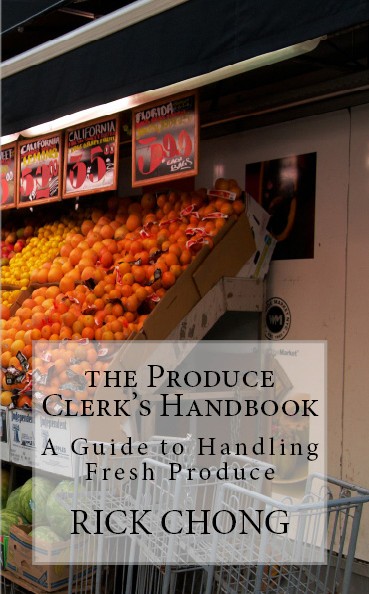
Want the full playbook?
The pocket-sized handbook covers stocking, displays, receiving, storage and 100+ individual fruits and vegetables.
Get it on Amazon